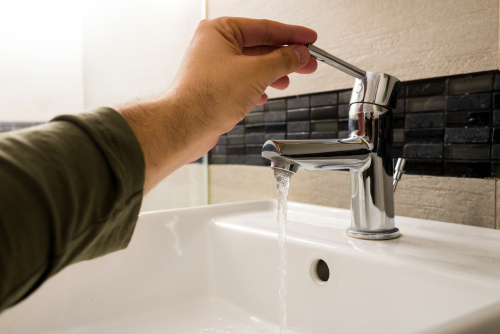
You turn on the shower and get a weak, disappointing trickle. The kitchen faucet barely fills a pot. Your sprinklers are underperforming. Low water pressure is one of the most common – and most frustrating – plumbing complaints among Cypress, TX homeowners, and the cause isn’t always obvious.
Before you assume it’s a city supply issue, consider these possibilities.
Corroded or Aging Pipes
If your home was built before the mid-1990s and still has the original galvanized steel pipes, corrosion is a likely culprit. Over decades, mineral deposits build up inside galvanized pipes, gradually narrowing the interior diameter and restricting water flow. The result is pressure that gets worse over time, usually starting at the farthest fixtures from the main line.
This is different from a sudden pressure drop – it’s a slow decline that homeowners often don’t notice until it becomes significant. A licensed plumber can assess your pipe material and condition and recommend a targeted solution.
Mineral Buildup in Fixtures
Cypress, TX receives moderately hard water from the MUD (Municipal Utility District) supply. Over time, calcium and mineral deposits accumulate inside faucet aerators, showerheads, and valve cartridges, restricting flow at individual fixtures. If the pressure issue is isolated to one or two fixtures rather than the whole house, this is likely the reason.
Cleaning or replacing aerators is a quick fix, but if you’re dealing with buildup throughout the home, a whole-house water filtration system can address the root cause and protect your entire plumbing system. You can also learn more about how hard water deposits affect your appliances and what to do about them.
A Partially Closed Shut-Off Valve
This one is surprisingly common – and easy to miss. If someone recently worked on your plumbing, or if the main shut-off valve was turned during a freeze protection scenario and wasn’t fully reopened, you’ll experience reduced pressure throughout the house.
Check both the main shut-off valve (where the line enters your home) and the meter valve near the street. Both should be fully open.
A Failing Pressure Regulator
Many Cypress homes have a pressure regulator (also called a pressure-reducing valve) installed where the main line enters the property. This device controls the pressure from the municipal supply down to a safe range – typically 40 to 60 PSI. When a regulator fails, it can restrict pressure well below that range.
A plumber can test your home’s pressure with a gauge and determine whether the regulator needs adjustment or replacement. According to EPA guidelines on residential water systems, maintaining proper pressure is important for both performance and the longevity of your plumbing.
Hidden Leaks
A leak somewhere in your system – even one you can’t see – diverts water away from your fixtures and reduces pressure. Slab leaks, underground line leaks, and leaks inside walls are common in Cypress due to the area’s expansive clay soil, which shifts with moisture changes and stresses pipe joints.
If your water bill has increased without explanation, a hidden leak is very likely involved. Our post on hidden water leak detection covers the warning signs in more detail.
Municipal Supply Issues
Occasionally, the low pressure isn’t your plumbing at all. Water main breaks, maintenance work, or peak-demand periods can temporarily reduce pressure from the city supply. Check with your MUD or Harris County utility provider to rule this out before investing in repairs.
Get Your Pressure Back
If weak water pressure has become a daily frustration, don’t just live with it. Contact Go Green Plumbing at (281) 960-6576. We’ll diagnose the exact cause and get your water flowing the way it should – with honest pricing and no guesswork. Serving residential plumbing customers in Cypress, TX and surrounding areas since 2008.