Quick Answer: The benefits of whole house water filtration system start with cleaner water at every tap by reducing contaminants like chlorine, chloramines, sediment, and heavy metals. A point-of-entry (POE) setup filters incoming water at the main water line, improving taste and odor, reducing scale buildup, and supporting healthier skin and hair. It can also cut turbidity (cloudiness), protect plumbing, and extend appliance lifespan by lowering rust, silt, and hard water minerals. For many homes, it reduces bottled-water dependence and helps manage water-quality threats found in municipal water (city water) or well water (private well). The best results come from matching filter media and filtration stages to your actual water test.
What is a Whole House Water Filtration System
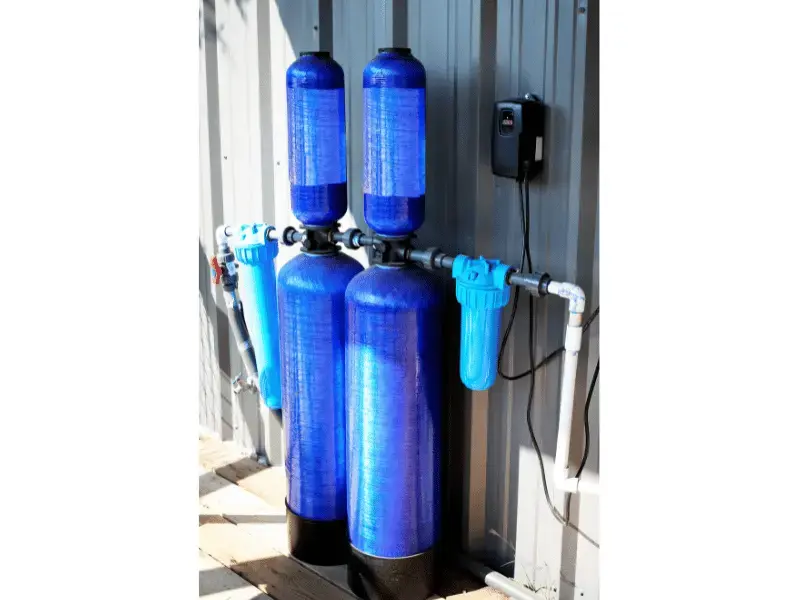
A whole house water filtration system is a point-of-entry (POE) filtration setup installed on the incoming water supply at or near the main water line. It uses one or more filtration stages with different filter media to reduce unwanted contaminants (like chlorine, chloramines, sediment, and heavy metals) before water travels through the house.
Unlike point-of-use (POU) filtration (like a pitcher or under-sink filter), a whole-home system protects showers, laundry, dishwashers, and every tap, not just the kitchen sink.
Tip: If you don’t know what’s in your water, start with a basic water test. It’s the fastest way to choose the right multi-stage filtration approach (sediment + carbon + optional UV/softening depending on needs).
How a Whole-Home Filter Works (Simple Flow)
Water enters your home and passes through a sequence of stages designed around your biggest issues: taste/odor chemicals, particles, and hardness.
Typical Filtration Stages You’ll See
- A sediment stage reduces sediment, rust, silt, and other particles that drive turbidity (cloudiness)
- A carbon stage targets taste/odor and disinfectants like chlorine and chloramines
- Add-ons may address microbes (bacteria, viruses, and cysts) or hardness/scale (calcium, magnesium, and hard water minerals)
Quick fix (low effort): If you notice sudden cloudiness after main line work or hydrant flushing, swapping or cleaning the pre-filter can restore flow and reduce particle taste fast.
10 Benefits of Whole House Water Filtration System (At Home)
Below are the real-world benefits of the whole house water filtration system that homeowners notice after installation from cleaner showers and better-tasting water to longer-lasting plumbing and appliances. Each benefit addresses a specific water quality issue, so you can see exactly how whole-home filtration improves daily life.
1) Cleaner Water from Every Faucet-Not Just One Sink
This is the core benefit: you get filtered water everywhere, so you’re not switching between “filtered” and “unfiltered” taps. For families, this matters when brushing teeth, showering, cooking, washing produce, filling pet bowls, or making ice.
This is where the benefits of a whole house water filtration system become obvious day-to-day: convenience plus consistency.
2) Better Taste and Odor by Lowering Disinfectants and Organics
Many homes notice taste changes because carbon-based systems reduce chlorine and can reduce chloramines (especially with catalytic carbon). This can help with “pool-water” smell and improve coffee, tea, and cooking water.
Tip: If odor gets worse only with hot water, check your water heater and anode rod too. Filtration helps, but the heater can create its own smells.
3) Reduced Exposure to Contaminants Linked to Old Infrastructure
Even when public tap water meets standards, water can pick up issues traveling through distribution lines and home plumbing. Depending on conditions, a properly matched system can reduce heavy metals like lead, and other problem metals in some scenarios.
If you’re planning to install or upgrade, work with reliable whole house filtration technicians who understand how to size the system for your home’s flow rate and plumbing layout.
4) Healthier Showers by Reducing What you Inhale and Absorb
Hot showers create steam, and certain chemicals can become easier to inhale in warm, humid air. Reducing disinfectants can make showers feel gentler for many people who notice dryness or irritation.
This is especially useful for households that are sensitive to strong odors and want cleaner-feeling bath water without relying on multiple POU devices.
5) Helps with Hard Water Symptoms (Scale, Spots, Soap Scum)
A filter alone may not “soften” water unless it includes softening/conditioning, but whole-home systems can be configured to reduce hardness impacts especially when paired with a softener or conditioner to manage calcium and magnesium.
Here’s what improves when you reduce scale drivers:
- Less soap scum buildup
- Fewer white spots on glass and fixtures
- Smoother-feeling laundry and towels
- Less chalky film around faucets
This is a major reason people search for signs you need a water filter because the symptoms show up everywhere, not just in a glass of water.
6) Protects Plumbing by Lowering Particle and Scale Stress
Particles like sediment, rust, and silt can accelerate wear, clog aerators, and contribute to premature fixture problems. Hardness contributes to scale buildup, which can choke flow and reduce efficiency.
A well-designed multi-stage filtration setup is like “defense in depth” for your plumbing network, especially in areas where seasonal water changes affect particle levels.
7) Extends the Life of Appliances that Use Water
Appliances run better when they aren’t fighting grit and scale. Systems that reduce particles and help manage hardness can support longer life and better performance for dishwashers, washing machines, ice makers, and water heaters.
Hard water minerals can also leave residue inside dishwashers and on glassware, forcing homeowners to frequently clean dishwasher water stains, which is another sign that untreated water is affecting your appliances.
If you’re also seeing heater performance issues (slow recovery, popping noises), pairing filtration with heater maintenance can be a powerful one-two punch.
8) Helps Reduce Specific High-Concern Contaminants When Properly Matched
Some homeowners want protection against modern contaminants depending on water reports and testing. Certain systems are designed to reduce substances like PFAS / PFOA / PFOS, VOCs (volatile organic compounds), pesticides, herbicides, and nitrates but only if the filter is certified and chosen for those targets.
Tip: Don’t buy based on marketing alone, match the system to test results and look for credible certification standards.
9) Can Address Microbes in Well Water with the Right Add-on
If you’re on well water (private well), you may need extra protection because treatment and monitoring aren’t handled the same way as municipal sources. Systems can be built to manage bacteria, viruses, and cysts, and can also target parasite risks like Giardia and Cryptosporidium using appropriate technologies.
This is where whole-home filtration becomes less of a “nice to have” and more of a practical safety upgrade, depending on your well test.
10) Reduces Bottled-Water Dependence and Plastic Waste
A common “silent benefit” is lifestyle: fewer cases of bottles, fewer recurring purchases, and less plastic waste. Since filtered water is available throughout the home, you’re also improving water for cooking and bathing something bottled water can’t do.
If you’re comparing options, talk to affordable water filtration experts who can explain cost vs. performance without pushing an oversized system.
Common Water Problems and Which Stage Helps
Problem you Notice | Likely Cause | Filtration Approach (Typical) |
Cloudy water / grit | turbidity (cloudiness), sediment, silt | Sediment stage (rated cartridge) |
Metallic taste or staining | rust, possible heavy metals | Sediment + appropriate media |
“Pool” smell | chlorine | Carbon stage |
Persistent disinfectant taste | chloramines | Catalytic carbon / specialty carbon |
Scale on fixtures | hard water minerals, calcium, magnesium | Add softening/conditioning stage |
Is a Whole House Water Filtration System Worth It
For many households, yes especially if you want consistent filtration at every tap and you’re trying to reduce recurring issues like scale, odors, or particles. It’s most “worth it” when:
- You’ve confirmed contaminants or hardness via testing
- You want protection for showers, appliances, and plumbing not just drinking water
- You choose the right size and filter media for your flow demands
This is also where the benefits of the whole house water filtration system become financial: fewer appliance repairs, fewer fixture replacements, and less bottled water.
Signs You Need a Water Filter (Whole Home)
- You see white spots on dishes or glass after washing
- Soap doesn’t lather well and you get more soap scum
- Water smells strongly of disinfectant (especially when hot)
- You notice recurring aerator clogs from particles
- You have persistent dryness after showers
- Your water sometimes looks cloudy after line work or storms
Hard Water Options and Terminology (So You Choose Correctly)
People use different phrases for the same goal, so here’s how to interpret them correctly:
- A hard water filtration system often means filtration + conditioning/softening in one plan
- whole house water filter systems for hard water usually combine a sediment stage, carbon stage, and a softener/conditioner
- filtering hard water sometimes refers to removing particles/chemicals plus reducing hardness impacts
- hard water purification is a broad phrase ask what’s actually being removed or reduced
- hard water filter whole house typically points to POE with scaling control, not just taste improvement
Important: Some homes need softening for hardness, while others mainly need chlorine/particle removal. Testing prevents buying the wrong setup.
Whole-Home vs Point-of-Use (What You Actually Get)
Feature | Whole-Home POE | POU (Pitcher/Under-Sink) |
Filters shower & bath water | Yes | No |
Protects appliances & plumbing | Yes | Limited |
Best for whole-house taste/odor | Yes | Sometimes |
Handles high daily volume | Yes | Limited |
Installation complexity | Moderate | Low |
How to Pick the Right System (Fast)
- Identify your source: municipal water (city water) or well water
- Get a basic test: hardness, disinfectants, metals, and particles
- Decide the goal: taste/odor, particles, scale control, or microbes
- Choose multi-stage filtration (not single-stage) when problems are mixed
- Verify certifications and maintenance schedule
- Size for household demand to avoid pressure issues
If you’re ever unsure about installation timing or emergencies, it helps to have a 24/7 plumbing company you can reach when something fails outside normal hours.
Maintenance Tips and Quick Fixes (Keep Performance High)
You don’t need to overcomplicate it, but you do need consistency.
Simple Tips that Make a Big Difference
- Change sediment cartridges on schedule (or sooner if pressure drops)
- Flush or service any conditioning stage per manufacturer guidance
- Sanitize housings during filter swaps to reduce buildup
- Keep spare cartridges on hand during storm season
Quick Fixes for Common Issues
- Low pressure after install: check cartridge micron rating and confirm the unit is sized for flow
- Cloudiness returns: replace the sediment stage first (fastest win)
- Taste changes suddenly: confirm municipal disinfectant changes, then check carbon stage life
Call Go Green Plumbing for Whole-Home Water Filtration Help
If you want cleaner water from every tap plus protection against particles, disinfectants, and scale, Go Green Plumbing can help you choose and maintain the right whole-home setup for your house.
Call Go Green Plumbing: 2819606576
Get help sizing the right filtration stages, selecting the best filter media, and keeping your system running at peak performance year-round.
FAQs About Benefits of Whole House Water Filtration System
Does a whole-home system remove chloramines?
Yes systems designed for chloramines can reduce them, especially when using catalytic carbon or specialty media matched to disinfectant levels.
Can whole-home filtration reduce PFAS?
Some certified systems can reduce PFAS / PFOA / PFOS, but only when the filter media and certification match that specific contaminant class.
Will it fix hard water completely?
Filtration alone may not “soften” water. For true hardness reduction driven by calcium and magnesium, add a softening/conditioning stage to reduce scale buildup.
Is whole-home filtration useful for well water?
Yes. With the right setup, it can address particles and also manage microbial risks like bacteria, viruses, and cysts, including risks associated with Giardia and Cryptosporidium where applicable.
How do I know what system I need?
Start with a water test and choose filtration stages and filter media based on measured problems (particles, disinfectants, metals, or hardness).